
The Concorde (Aérospatiale/BAC Concorde) was more than just an aircraft - it was a declaration of human ambition. The world’s only commercially successful supersonic passenger jet, it redefined what it meant to travel across the Atlantic.
The Concorde project began in 1962 as a joint Anglo-French effort between British Aircraft Corporation (BAC) and Aérospatiale. The goal was bold - to create an airliner capable of flying faster than twice the speed of sound.
Speed: With a cruising speed of Mach 2.04 (2,180 km/h), Concorde could cross the Atlantic - from London to New York - in just 3 hours and 30 minutes, twice as fast as a conventional jet.
Engines: Its four Rolls-Royce/Snecma Olympus 593 turbojet engines were designed specifically for sustained supersonic flight, producing tremendous thrust and the iconic sonic boom.
Design: The sleek delta wing and the distinctive droop nose weren’t just beautiful - they were essential for aerodynamic efficiency and better pilot visibility during takeoff and landing.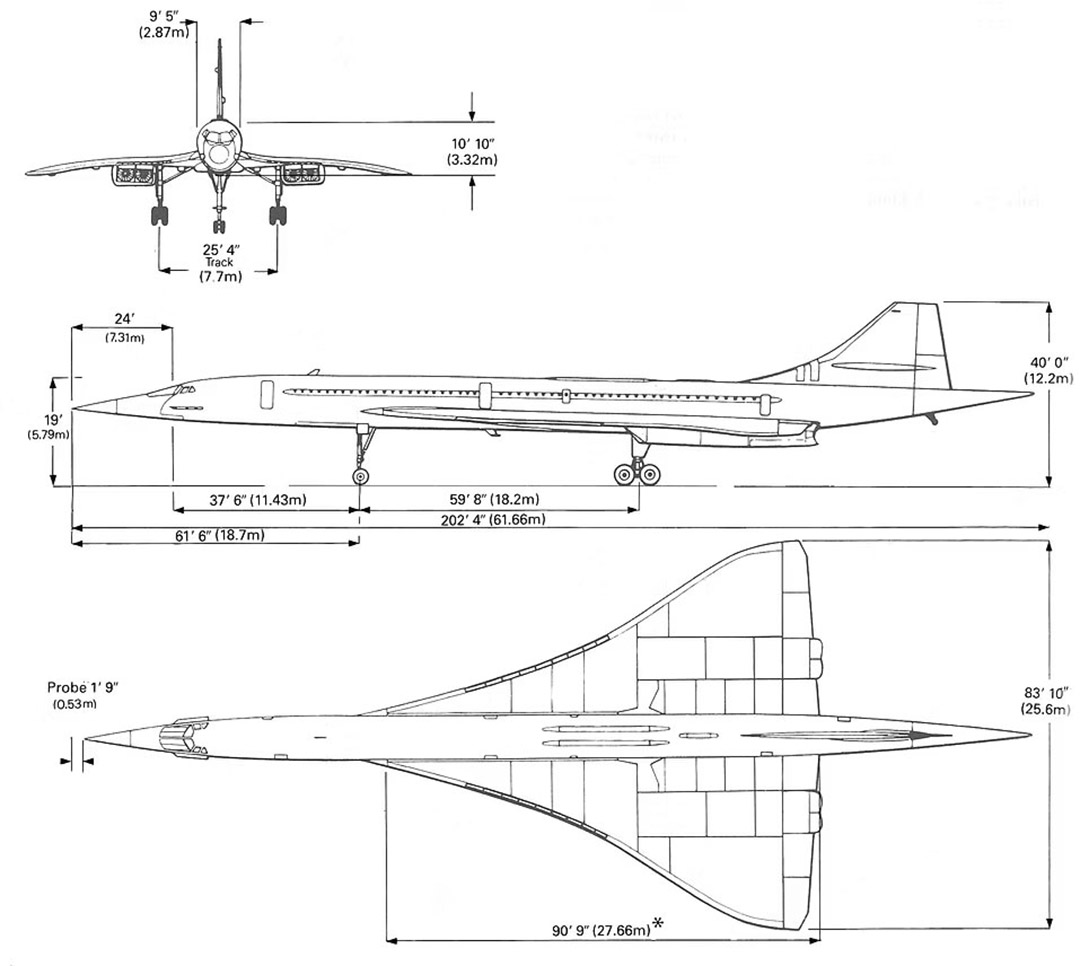
Regular passenger service began in 1976 with British Airways and Air France. Almost instantly, Concorde became a symbol of prestige and power - the aircraft of choice for celebrities, CEOs, and royalty.
Flying at 18,000 meters (60,000 feet), passengers could see the curvature of the Earth while sipping champagne under a deep blue sky.
Though the cabin seated just about 100 passengers, the experience was unmatched:
Service: Fine dining, luxury wines, and exclusive treatment.
Time: You could leave London after lunch and arrive in New York before lunch - thanks to time zones and speed.
The golden era ended abruptly on July 25, 2000, when Air France Flight 4590 crashed shortly after takeoff near Paris. The cause was traced to a metal strip left on the runway by another aircraft - it punctured a tire and ruptured a fuel tank.
Concorde returned to service in 2001 after safety modifications, but the tragedy, combined with the post-9/11 decline in air travel and rising maintenance costs, sealed its fate.
In 2003, British Airways and Air France officially retired their Concorde fleets. The last commercial flights took place in October 2003, marking the end of an extraordinary era of aviation.
Concorde remains one of the most iconic engineering achievements of the 20th century - a symbol of speed, elegance, and ambition.
Even two decades later, engineers around the world are still chasing its legacy. New projects like Boom Overture and NASA’s X-59 aim to bring supersonic travel back to our skies - quieter, cleaner, and more efficient.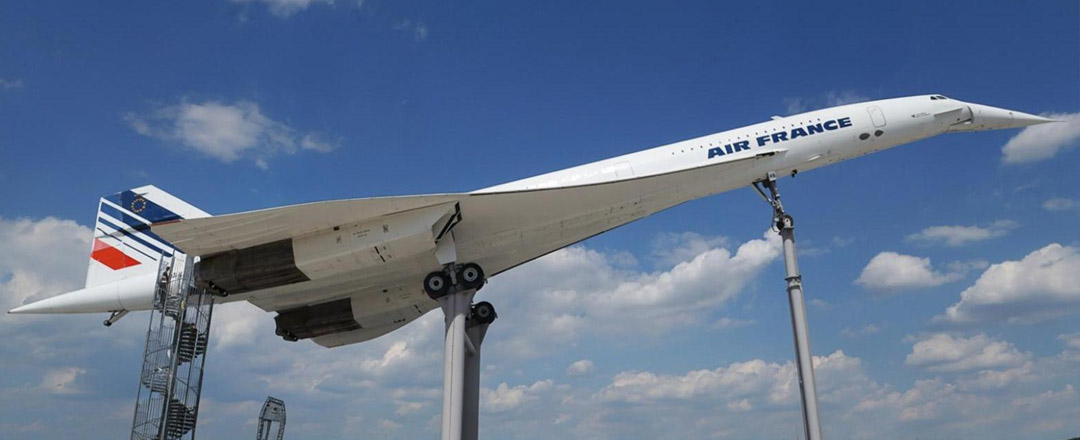
Concorde didn’t just fly faster - it brought humanity closer to the edge of its dreams.





 Welcome!
Comments